
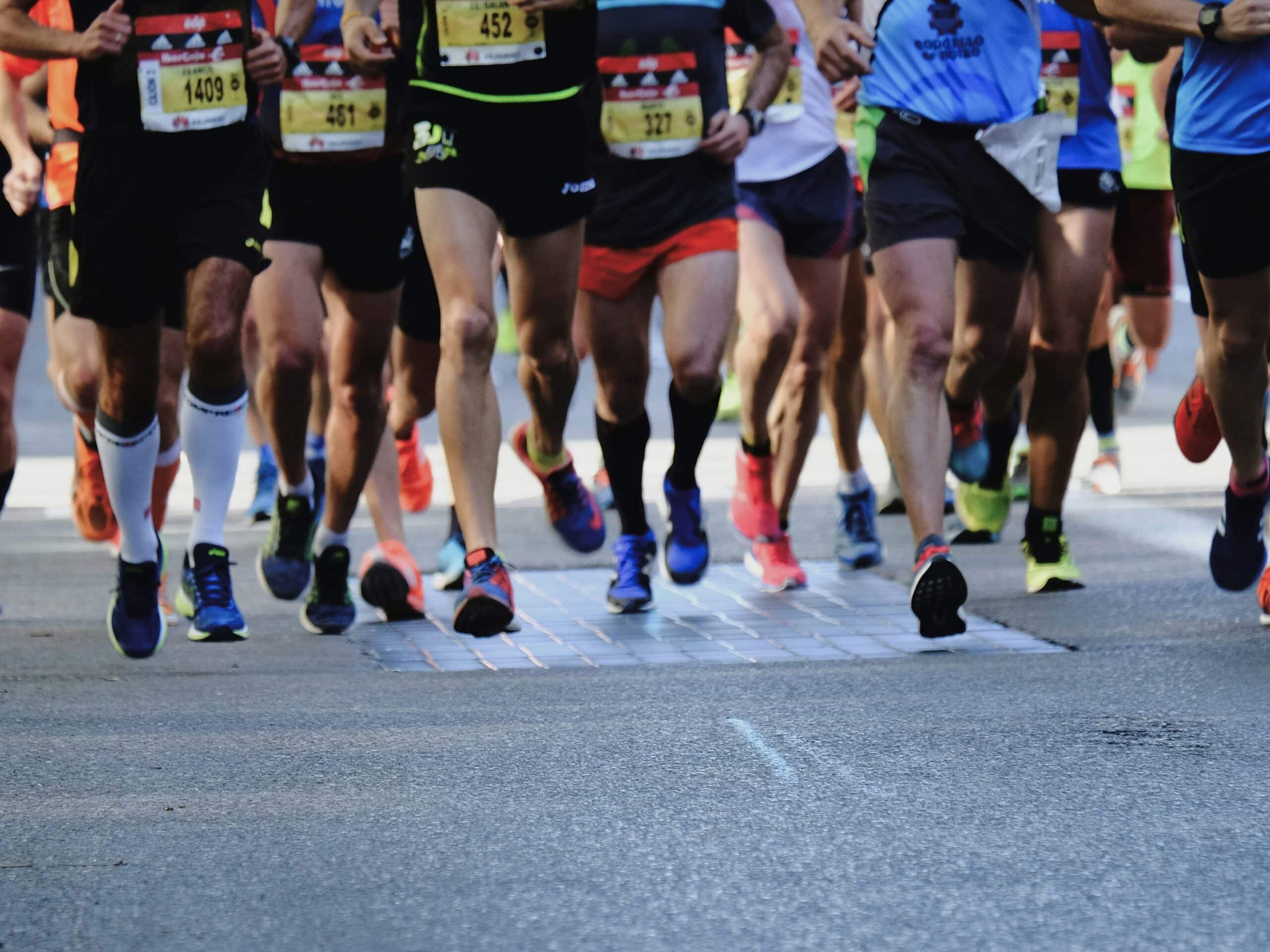
The London Marathon is almost here! Thousands of runners, including many of our own patients here in St Albans, will head to the capital to tackle those iconic 26.2 miles.
Whether this is your first marathon or your tenth, the excitement (and the nerves) are likely building. To help you have your best race possible, the team at Resolution Clinic has put together a quick roadmap to guide you through the week ahead, the big day, and the recovery that follows.
Phase 1: The Taper
You’ve done the heavy lifting. The long runs are behind you, and your body is now in the “taper” phase.
Trust the Work: You might feel restless or imagine “phantom” injuries. This is perfectly normal! Your body is storing energy. Don’t be tempted to add extra miles just to feel “ready.”
Keep it Simple: This is not the week to try new shoes, new race-day outfits, or strange supplements. Stick to the routine that got you through your training block.

Focus on Mobility: Keep moving, but keep it light. Gentle stretching or a light massage can help keep muscles supple without causing fatigue.
Phase 2: Race Day
The atmosphere at the London Marathon is unmatched, but it’s easy to get swept up in the adrenaline and head out too fast.
Pace Yourself: The “curse” of the London Marathon is the crowd. The noise makes you want to run faster, but your legs will pay for it by mile 20. Stick to your target pace, especially in the first half.
The “Chunking” Method: Don’t think about the 26.2 miles as a whole. Break the race down into chunks: between water stations, landmarks, or the next cheer squad.

Soak it Up: You’ve worked incredibly hard for this. Take a moment to look at the sights, listen to the crowd, and acknowledge the achievement you are currently completing.
Phase 3: The First 48 Hours (Recovery)
Crossing the finish line is just the beginning. How you manage your body in the two days following the race will dictate how quickly you bounce back.
Keep Moving (Gently): Don’t sit on the sofa for 48 hours. Light walking helps flush lactic acid and reduces stiffness.
Nutrition and Hydration: Your body has just undergone massive stress. Focus on high-quality carbohydrates to replenish glycogen and lean protein for muscle repair.
Know the Difference (DOMS vs. Injury):
| DOMS (Delayed Onset Muscle Soreness) | The Red Flags: |
| A dull, aching, symmetrical feeling. This is normal and will fade with movement and time. | If you experience sharp, localized, or “pinpoint” pain, or if you find yourself limping, this is not just soreness. If the pain doesn’t begin to subside by 72 hours, or if you feel sharp pain that changes your gait, you should seek a professional assessment. |
We’re in Your Corner
At Resolution Clinic, we are so proud of the St Albans running community. We know how much sweat, time, and sacrifice has gone into preparing for this Sunday.
Whether you need a pre-race loosening session this week or a post-race recovery plan to ensure you’re back on your feet quickly, our team is here to help.
Don’t wait for a small niggle to become a major injury. If you’re concerned about your recovery or have questions about how to manage your post-race transition, give us a call or book an appointment online.
Good luck to all our local runners, we’ll see you at the finish line!